Day Trip #2: Craters of the Moon National Monument
A trip from Twin Falls, Idaho to Craters of the Moon National Monument takes you about 90 miles into a landscape made of ancient lava flows, lava tubes, and volcanic formations. This unusual destination has drawn interest from NASA, filmmakers, and tourists from around the world, making it one of the most fascinating places to visit in Idaho.
Craters of the Moon Vocabulary
Here’s a quick look at some of the unique vocabulary used at Craters of the Moon.
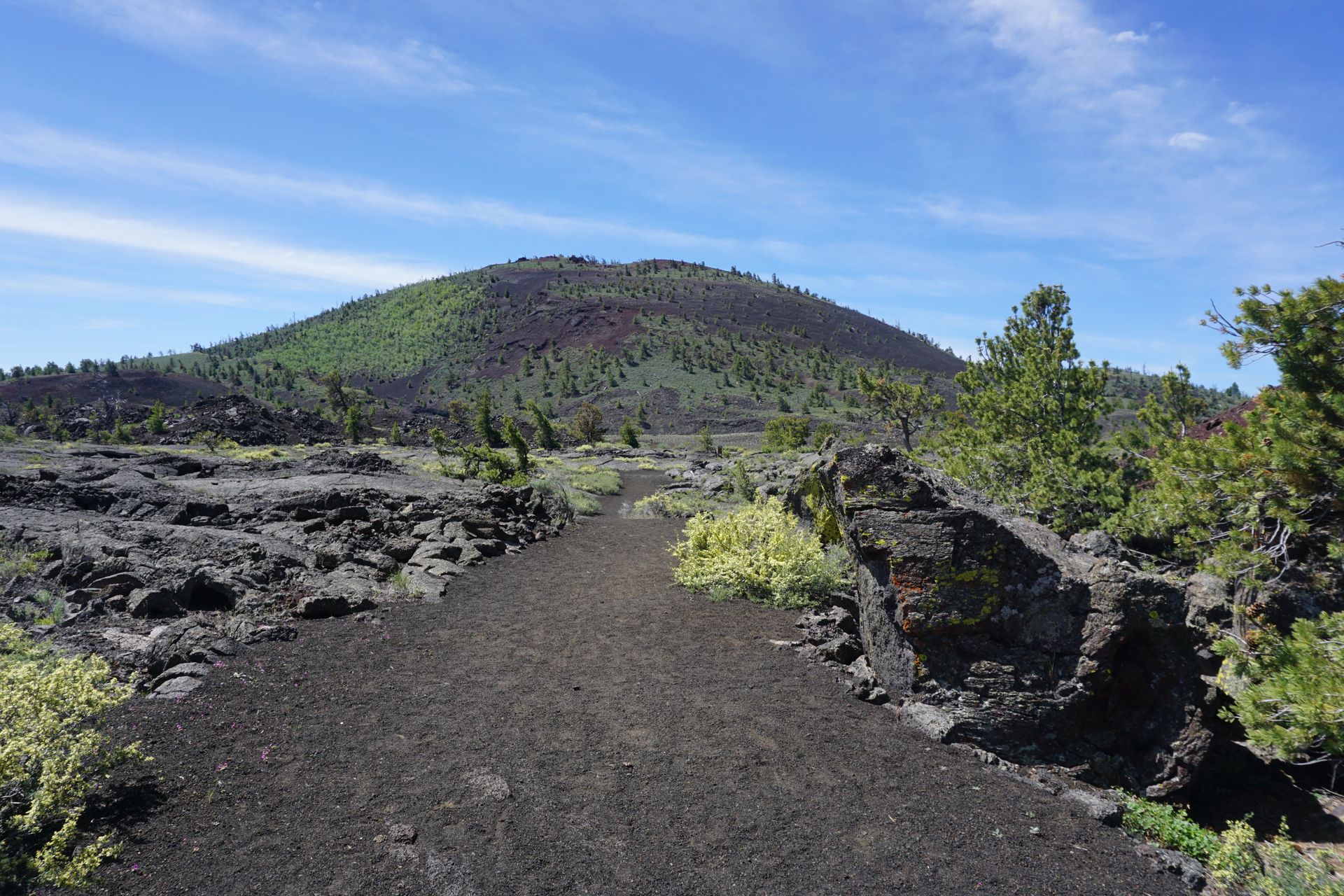
- Great Rift: a 52-mile-long series of deep cracks in the Earth's crust. Lava erupted from these fissures rather than from a single volcano.
- Lava tubes: the cave-like structures created when the outer portions of lava flows cooled while molten rock continued moving beneath them.
- Cinder cones/spatter cones: pieces of volcanic rock or molten lava that were thrown into the air during an eruption and then cooled and hardened.
- Tree Molds:
created when
lava cooled around trees. When the organic material eventually disappeared, hollow impressions of the trunks remained in the rock.

Geology of Craters of the Moon
The otherworldly landscape at
Craters of the Moon was created by volcanic eruptions along the Great Rift during eight major eruptive periods that began about 15,000 years ago. As molten basaltic lava poured across the Snake River Plain, it cooled into the rough flows, cinder cones, spatter cones, lava tubes, and other formations visitors see today.
Hiking at Craters of the Moon
The trails at Craters of the Moon range from short accessible walks to steeper routes across rough fields of lava and cinder cones. Some of the most popular hikes include:
- North Crater Flow Trail: This 0.3-mile loop is an easy introduction to the monument that takes visitors directly through a relatively young lava flow. The mostly paved trail includes interpretive signs explaining the volcanic features along the route.
- Inferno Cone: The 0.4-mile round-trip hike climbs 164 feet to the top of a large cinder cone and is considered strenuous because of its steep, loose surface. The effort is rewarded with views of the cinder cones that lie along the Great Rift.
- Broken Top Loop: This 1.8-mile loop is one of the best choices for visitors who want to see a variety of volcanic formations in a single hike. The route crosses cinders and lava and includes uneven terrain, rocks, ruts, and steps.
- Tree Molds Trail: The trail is about 2 miles round trip and leads to the first group of tree molds. It is a scenic and geologically interesting hike.
Cave Exploration at Craters of the Moon
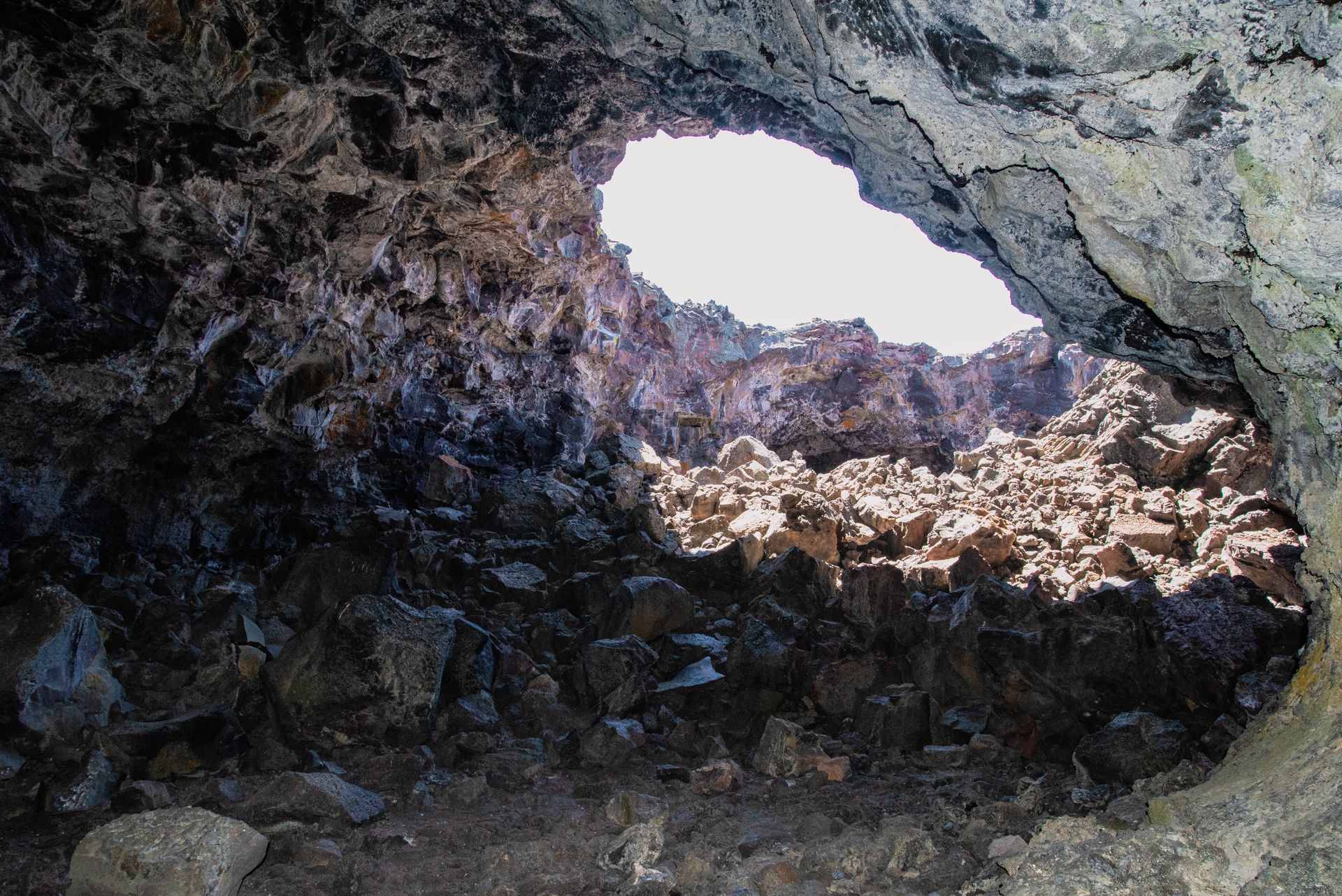
The Craters of the Moon lava tubes are some of the most memorable features at the national monument.
- Indian Tunnel: This is the largest and generally most accessible of the caves open to visitors. Large openings in the ceiling allow some natural light into the lava tube, while stairs provide access to the cave.
- Dewdrop Cave: Dewdrop provides a darker, more enclosed experience than Indian Tunnel. Visitors should be prepared for rough lava, low areas, and the need to use a flashlight or headlamp.
Things to Know Before Exploring the Caves
- Permits are required: Every visitor entering the caves needs a free cave permit obtained in person at the visitor center during business hours.
- Cave access is seasonal: The caves generally open in late spring or summer. Check current conditions before planning a cave visit because temporary closures are possible.
- Protect the bats: Clothing, footwear, or other gear that has ever been used in another cave, mine, or underground space cannot be taken into the caves, even if it has been washed. This rule helps prevent the spread of white-nose syndrome, a disease that can be fatal to bats.
Winter at Craters of the Moon
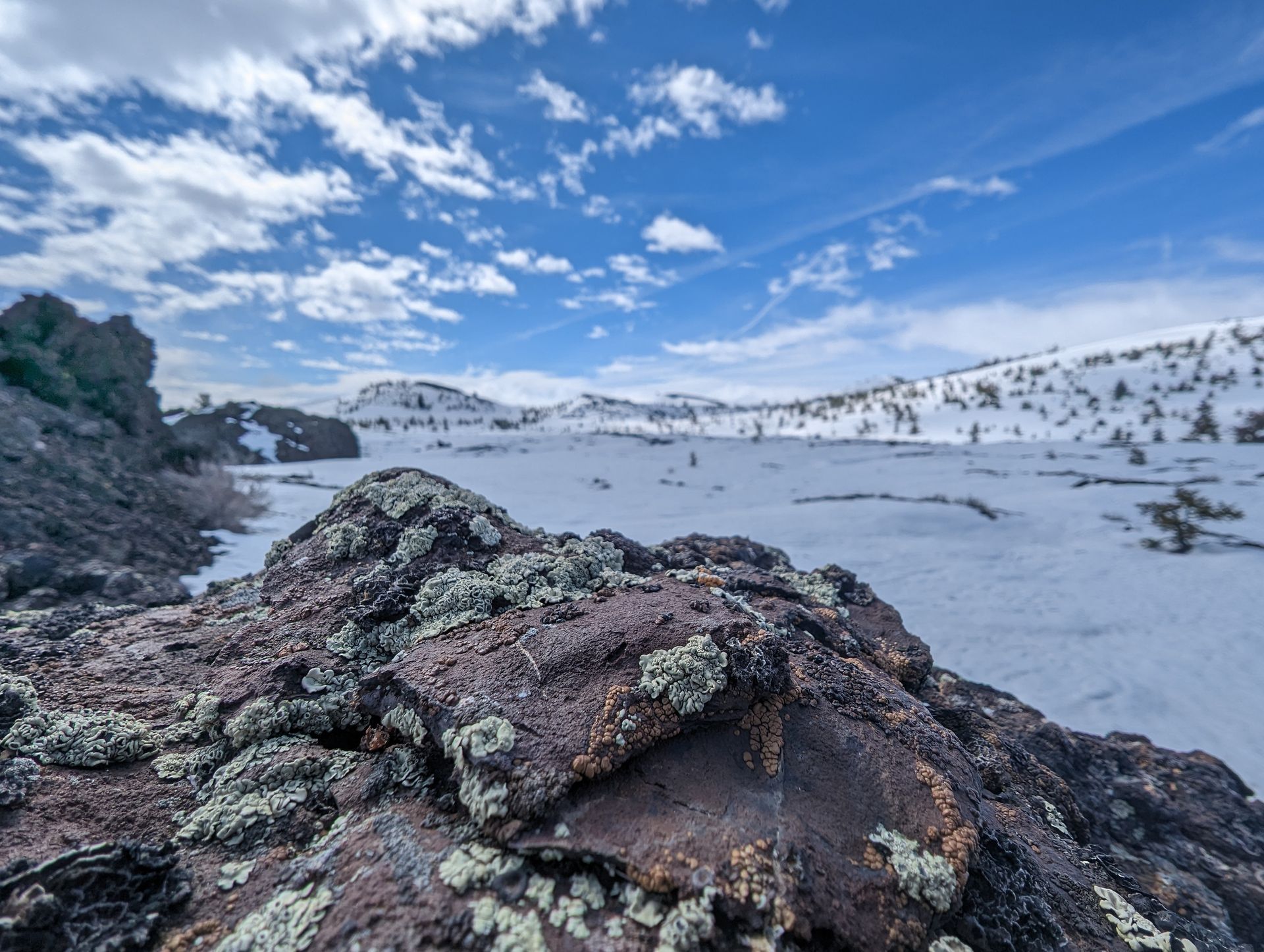
During Winter at Craters of the Moon, the landscape is transformed into a striking combination of white snow and black volcanic rock. When enough snow accumulates, the Loop Road closes to motor vehicles and is groomed for cross-country skiing.
Snowshoeing provides another way to explore the winter landscape, with a marked one-mile Snowshoe Trail near the visitor center and additional access along the groomed Loop Road. Ranger-led snowshoe walks are typically offered on weekends from late January through February.

Stay Close to Your Next Idaho Adventure at Splash Canyon Hotel
After spending the day exploring the volcanic landscape, come back to Splash Canyon Hotel in Twin Falls for a comfortable family-friendly stay. Our lodging options range from smaller rooms and ADA-designated suites to larger accommodations perfect for the whole family.
Every stay also includes access to our indoor waterpark and complimentary breakfast, providing guests with a fun getaway whether they choose to stay here to play or explore the wider Twin Falls area.
Book your stay today!
Recent Posts